

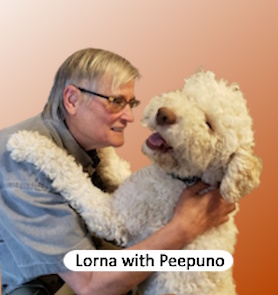
By Lorna Olitch | Good Calm Dog Training | Chilliwack, BC
You've watched the YouTube videos. You've tried the training tips. You've bought the treats, practised the commands, and done everything you thought you were supposed to do.
So why is your dog STILL pulling on the leash, barking at everything, or ignoring you when you call?
Maybe you're wondering, Am I doing something wrong? Is my dog stubborn? Do I need a professional trainer?
Here's something I want you to know: Your dog isn't trying to give you a hard time. They may simply be having a hard time understanding what you want.
Since starting Good Calm Dog Training in 2016, I've helped more than 1,000 dog owners work through training challenges. I've learned that most owners don't need to work harder. They need to understand their dogs better.
That's why I teach through positive games that build confidence, trust, and stronger relationships.
So, should you train your dog yourself or hire a professional?
You don't necessarily have to choose. Let's explore when each approach works best.
Can You Train Your Dog Yourself?
Absolutely!
Dogs learn through everyday experiences. Every time you reward a behaviour, play a game, or interact with your dog, you're teaching them something.
Basic skills you can teach at home include:
- Sitting and lying down
- Coming when called
- Walking politely on a leash
- Waiting at doors
- Settling on a mat
- Greeting visitors calmly
You don't need expensive equipment or hours of training.
Five minutes of enjoyable, consistent practice can be more productive than one long, frustrating session.
What My Training Experience Has Taught Me
I began my dog training journey in 2016 with FernDog Training and continued my education through Absolute Dogs and DoggyDan.
Over the years, I've discovered that many owners don't need complicated techniques.
They need simple games, clear instructions, and an understanding of why their dog behaves a certain way.
I believe dogs learn best when training feels like a game rather than a chore.
Benefits and Challenges of DIY Dog Training
Training your dog yourself offers advantages.
Save money: Free resources and books can help you get started.
Build your relationship: Training strengthens communication and trust.
Enjoy flexibility: Practise whenever it suits your schedule.
Develop confidence: Understanding your dog helps you become a better handler.
However, DIY training becomes frustrating when you're unsure why something isn't working.
One common mistake I see is owners trying to stop unwanted behaviour without understanding its cause.
For example, a dog pulling on the leash might be excited, frightened, frustrated, or unaware of what's expected.
Each situation may require a different approach.
What Does a Professional Dog Trainer Do?
A professional trainer does more than teach commands.
They help you understand your dog's behaviour and communicate effectively.
A good trainer can:
- Identify possible causes of unwanted behaviour
- Create a personalized training plan
- Demonstrate effective training games
- Explain canine body language
- Build your dog's confidence
- Teach you how to practise independently
One important lesson I've learned is that I'm not just training dogs. I'm teaching their owners.
After all, I don't live with your dog.
You do!
My goal is to give owners the skills to continue training long after our lessons finish.
Seven Signs You Should Consider Hiring a Dog Trainer
Professional guidance can save months of frustration.
1. Your Dog Pulls Constantly on the Leash
Does every walk feel like a tug-of-war?
Rather than constantly correcting pulling, I use games that encourage dogs to pay attention and walk alongside their owners.
2. Your Dog Barks Excessively
Dogs bark because of excitement, fear, frustration, or alerting.
When a dog barks at people walking past a window, I focus on understanding the trigger and teaching a calmer response.
Simply telling your dog to stop doesn't teach them what to do instead.
3. Your Dog Jumps on Visitors
Jumping often begins as excitement.
Instead of punishing the dog, I teach owners to reward calm greetings and keeping four paws on the floor.
4. Your Dog Ignores Your Recall
Your dog comes perfectly in the living room.
But outside?
Suddenly, they've forgotten their name!
I use recall games to make returning rewarding, gradually introducing distractions as the dog improves.
5. Your Dog Reacts to People or Other Dogs
Barking, growling, or lunging may indicate fear, frustration, or discomfort.
Dogs should learn at a distance where they feel safe rather than being forced into overwhelming situations.
Serious reactions may require a qualified behaviour professional. Sudden changes should also be assessed by a veterinarian.
6. You're Becoming Frustrated
If training feels like a daily battle, your approach may need adjusting.
Simplifying exercises and making them enjoyable can make a difference.
7. You're Not Seeing Progress
Practising without improvement may mean you're moving too quickly or introducing too many distractions.
Professional guidance can identify what's preventing progress.
Is Hiring a Dog Trainer Worth the Money?
Professional dog training is an investment, but its value goes beyond teaching commands.
Think about everyday life.
Can you enjoy peaceful walks?
Can you welcome visitors without chaos?
Can your dog settle when needed?
Can you call your dog away from distractions?
Imagine spending months watching videos, purchasing equipment, and trying different techniques without improvement.
Now imagine having someone explain what's happening, demonstrate appropriate exercises, and develop a clear plan.
I've found that owners benefit when they understand why an exercise works.
Instead of constantly searching for another technique, they develop confidence in their ability to help their dog.
The real value of professional training isn't just what your dog learns. It's what you learn together.
Why I Believe Game-Based Dog Training Works
My education through FernDog Training, Absolute Dogs, and DoggyDan helped shape my understanding of canine behaviour.
Today, I focus on positive, reward-based games that encourage dogs to make good choices.
I don't believe training should rely on fear, intimidation, or physical corrections.
I want dogs to enjoy learning and owners to enjoy teaching.
Here are three games you can try.
Game 1: The Check-In Game
Goal: Encourage your dog to pay attention to you.
- Begin somewhere quiet.
- Wait for your dog to look at you.
- Say "Yes!" to mark the behaviour.
- Reward with a treat or praise.
- Repeat in short sessions.
This teaches your dog that checking in is rewarding.
Game 2: Mat Magic
Goal: Teach your dog to settle calmly.
- Place a comfortable mat on the floor.
- Reward your dog for approaching it.
- Gradually reward stepping onto the mat.
- Reinforce sitting or lying calmly.
- Slowly increase relaxation time.
I like this game because settling is an important everyday skill.
Game 3: Follow My Feet
Goal: Encourage loose-leash walking.
- Start somewhere quiet.
- Walk a few steps with your dog.
- Change direction and encourage them to follow.
- Say "Yes!" when they move with you.
- Reward with treats or permission to sniff.
The goal isn't to force your dog into position. It's to make walking together enjoyable.
Why I Offer Private In-Home Dog Training
I focus on private in-home training because many behaviour challenges happen in everyday environments.
For example:
- Jumping happens when visitors arrive.
- Barking happens when people walk past windows.
- Leash pulling happens during neighbourhood walks.
- Puppies struggle to settle during household activities.
Working in familiar surroundings allows me to tailor training to situations owners experience.
Every dog is different, and training should reflect that.
Can You Combine DIY Training With Professional Lessons?
Absolutely!
Think of professional dog training as coaching.
I demonstrate games, explain why they work, and help owners understand their dog's progress.
Owners continue practising between lessons.
I also provide homework games, training resources, and follow-up guidance.
My goal isn't to make owners dependent on a trainer. It's to help them confidently train their own dogs.
Should You Hire a Dog Trainer or Train Yourself?
The answer depends on your dog and circumstances.
Choose DIY training if: Your dog is confident, you're teaching basic skills, and you're seeing progress.
Consider professional training if: You're struggling with persistent behaviours, feeling frustrated, or need personalized guidance.
Seek qualified behaviour support if: Your dog shows serious fear, aggression, or unpredictable reactions.
After years of helping dog owners, one thing remains clear:
Successful training isn't about controlling your dog. It's about understanding them, communicating clearly, and building a relationship based on trust.
Ready for a Calmer, Happier Dog?
Since 2016, I've helped dog owners build stronger relationships through positive, game-based training.
At Good Calm Dog Training, I believe every dog deserves to learn in a way that builds confidence and trust.
Whether you're raising a puppy, navigating teenage challenges, or helping an adult dog develop better manners, you don't have to figure everything out alone.
My private, in-home programs focus on practical games you can continue playing after our lessons finish.
Not sure whether your dog needs professional training?
Book Your 15-Minute Consultation and let's discuss your dog's challenges and training options.
Calm Dogs = Confident Dogs.
Good Calm Dog Training — Serving Chilliwack and surrounding Fraser Valley communities.